How to Get Virtual Machines?
 Written
By
Puspendra Kumar
Written
By
Puspendra Kumar
Reading time: 4 minutes
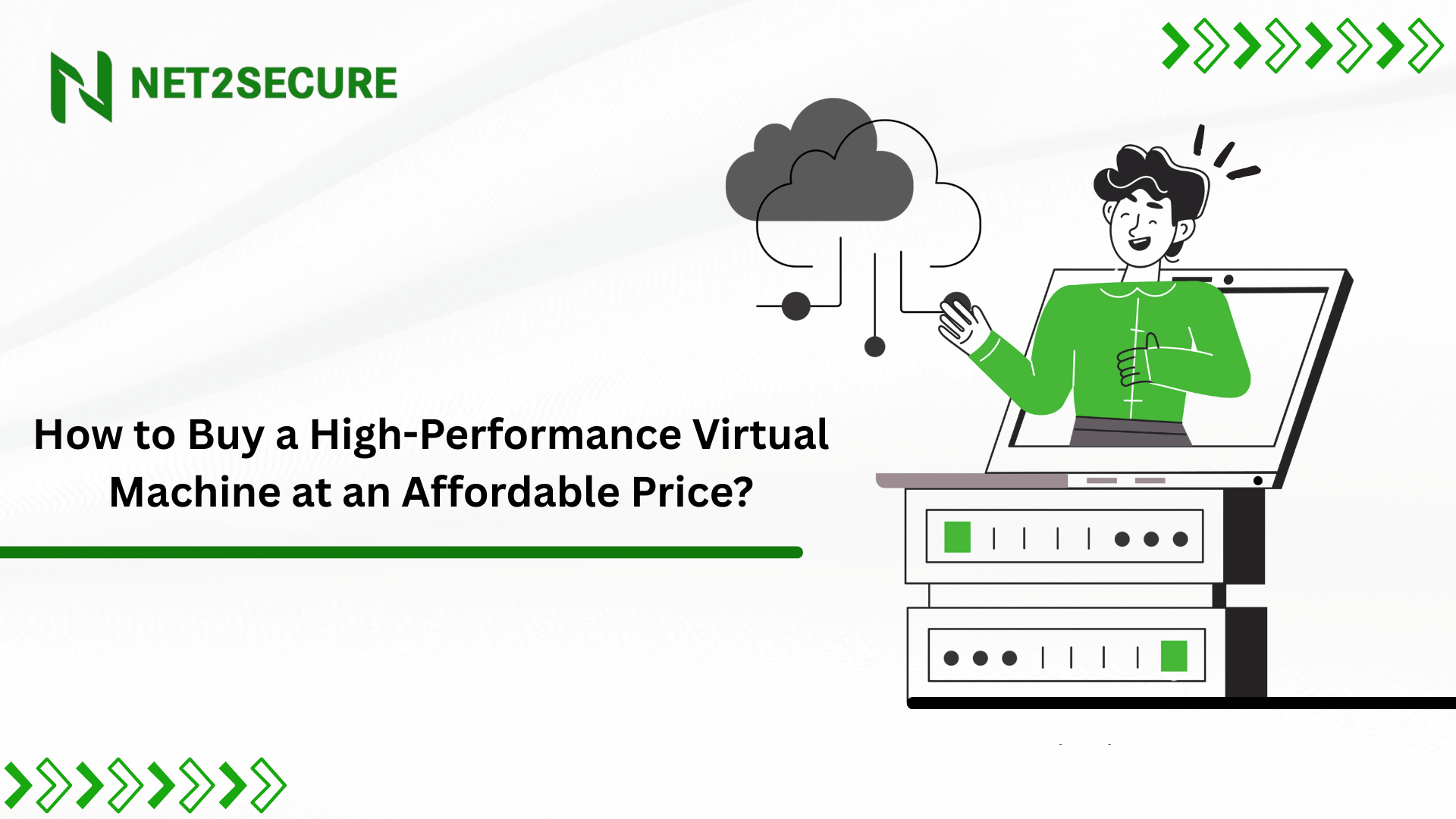
Getting a Virtual Machine is one of the most crucial steps in building a reliable cloud or virtualized IT environment. Whether you need a VM for hosting applications, testing software, or operating business workloads, understanding how to select and purchase the right virtual machine is essential. From considering the operating system and computing resources to selecting storage, network options, and pricing models, the VM buying process involves several key decisions. In this post, you will learn how to get virtual machines in a clear, step-by-step manner, assisting you in making informed decisions and performance-driven choices with confidence.
What are Virtual Machines?
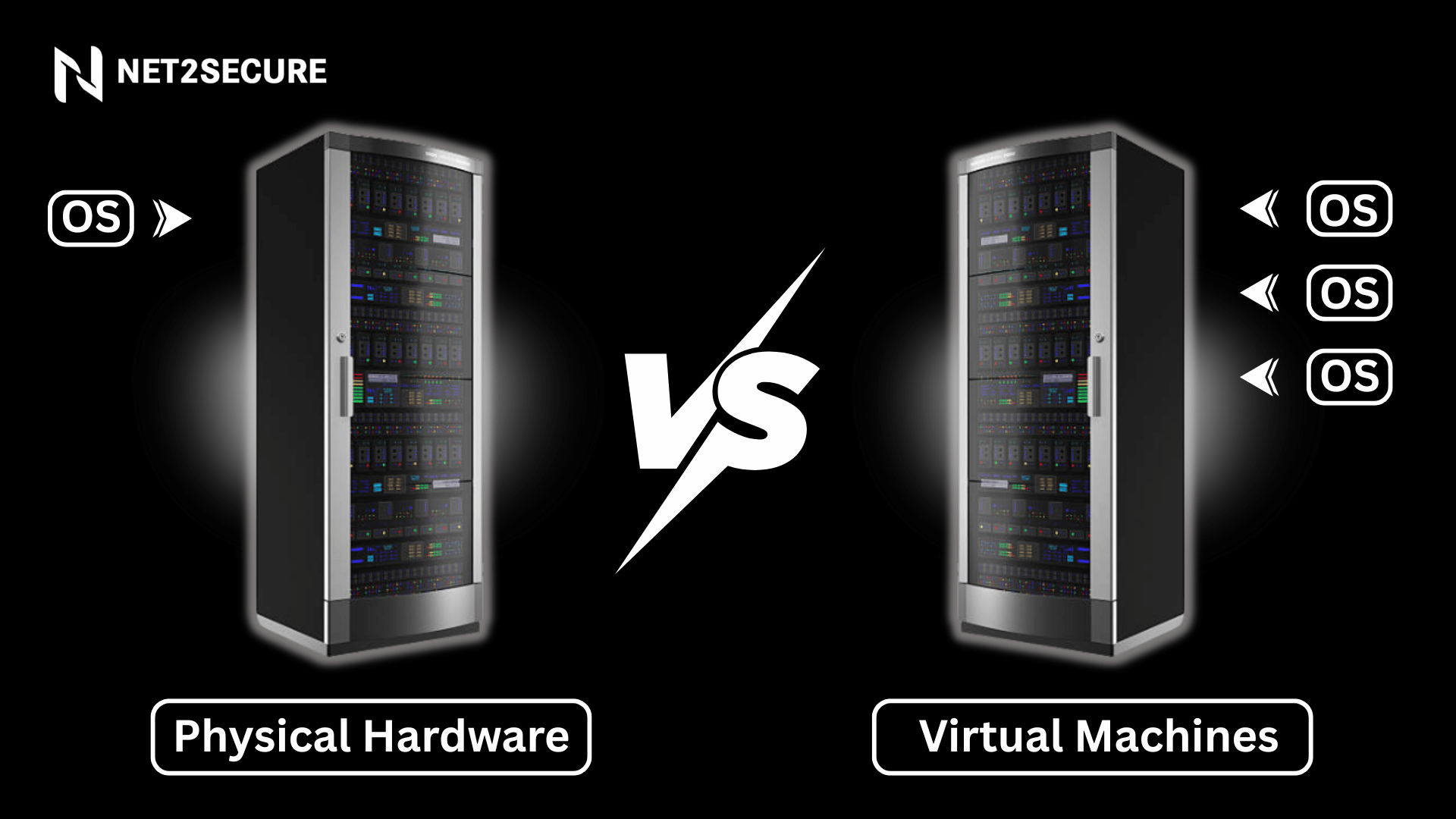
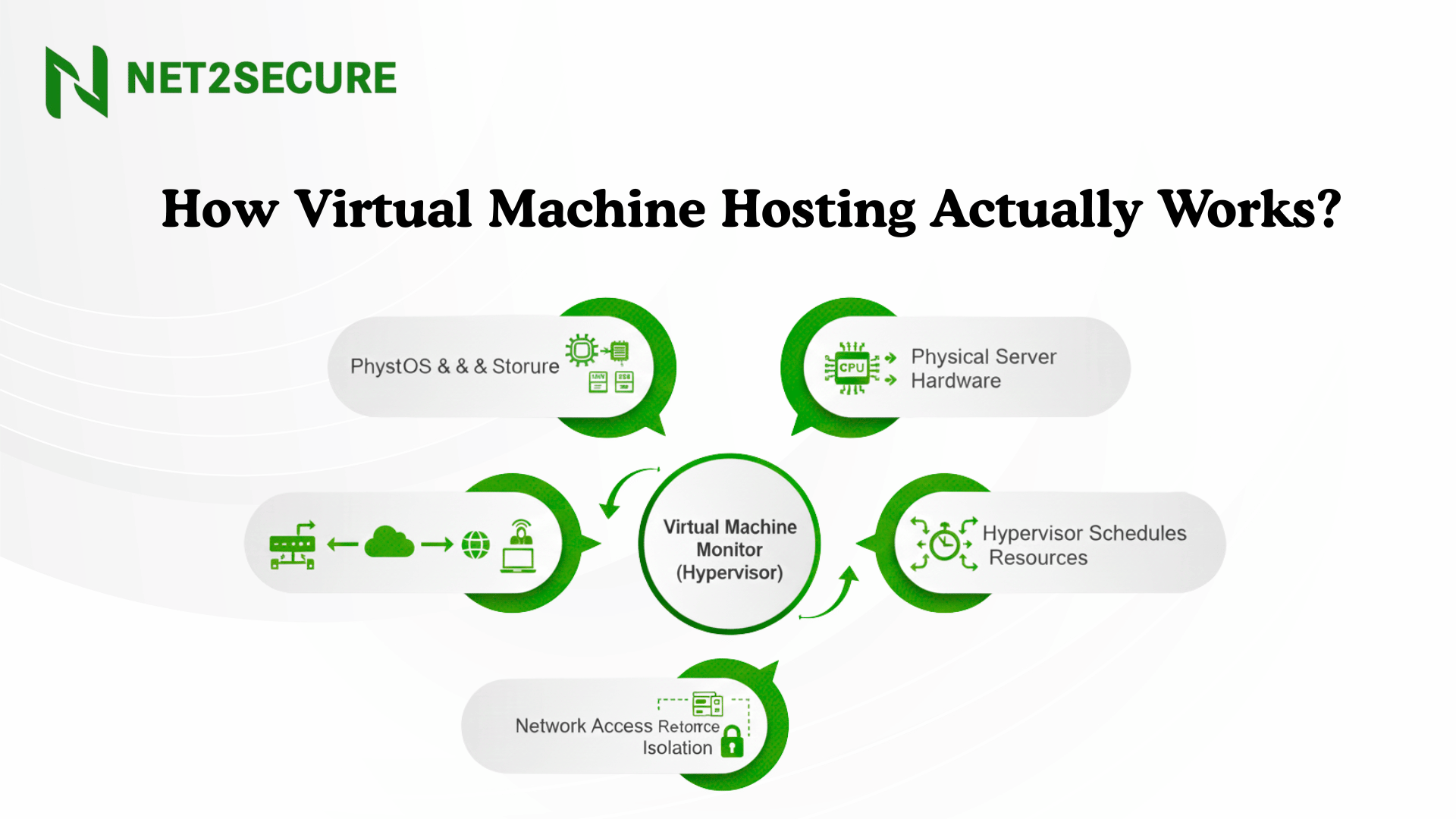
A Virtual Machine refers to a software emulation that breaks down a single physical computing device into several isolated computing environments, each with its own distributed CPU, memory, storage, and operating system. This methodology allows maximum resource optimization while delivering full isolation and independence for each computing environment. VMs are one of the precursors for the latest technologies like cloud and containers.
Key Benefits of Virtual Machine
-
Affordable in Cost: Adopting virtual machines delivers notable financial advantages due to the reduced necessity for physical hardware. It translates into lower electricity bills and diminished maintenance outlays. The centralization of your IT infrastructure lessens both space requirements and associated costs, resulting in significant cost savings.
-
Flexibility & Scalability: One of the main benefits of virtual machines is their degree of flexibility and scalability. The creation of virtual hardware inside a physical machine is made possible by virtualization technology, which significantly increases efficiency and offers better flexibility. As a result, organizations may instantly adjust to altering needs without having to pay for more hardware.
-
Resource Allocation: Virtual machines are adept at allocating computing resources, fine-tuning their allocation in response to instant demands. Such effective use of resources leads to substantial reductions in costs. AI-powered systems can boost these savings by adapting the resource distribution within virtual machines as per prevailing workload trends.
-
Scalability in Cloud Environments: Virtual machine technology allows exceptional scalability within a cloud environment. As virtual machines are based on software, it’s simple to create new instances whenever necessary, thus allowing swift scaling. This feature enables businesses to respond instantly to surges in demand without the necessity of procuring extra physical servers, leading to considerable cost savings.
-
Increase Security Measures: Ensuring security is supreme for each organization, and virtual machines offer heightened security capabilities. Virtual environments thwart the proliferation of threats by assisting in the effective isolation and compartmentalization of resources. Such segregation plays an essential role in protecting the sanctity of each VM.
How to Select a Hosting Provider?
Selecting the right cloud hosting provider is necessary for guaranteeing better performance and dependability. When choosing a provider for your virtual machines, there are a few important factors that you should consider.
-
Scalability Options: Pick a provider that offers flexible solutions, allowing you to adjust your resources according to your rising requirements easily.
-
Security Features: Security is paramount when it comes to hosting virtual machines. Search for providers with solid security measures, such as firewalls, intrusion detection systems, and data encryption.
-
Reputation and Reliability: Research potential hosting providers to assess their reputation and reliability. Look for evaluations, customer feedback, and assurances of continued service availability to confirm they can meet your performance standards.
-
Customer Support: Having dependable customer support is crucial for instantly addressing issues. Ensure the hosting provider delivers round-the-clock support through various options, including live chat, phone, or email.
Thus, getting virtual machines is indeed a strategic decision that directly impacts the performance, scalability, and security of your IT infrastructure. As mentioned, virtual machines allow businesses to expand hardware utilization, lessen operational costs, and get better flexibility without investing heavily in physical servers. Their ability to scale on demand, allocate resources effectively, and maintain solid isolation makes them a reliable foundation for modern cloud environments.